The Goal
This was my first hackathon, and I went in knowing AI tools but not how to code, which is probably part of why we won. I told everyone going in that we were going to take it, and I meant it. The plan was simple: half of winning a hackathon is the idea, so I treated this like a real product launch compressed into 12 hours, not just a coding exercise.
The Strategy
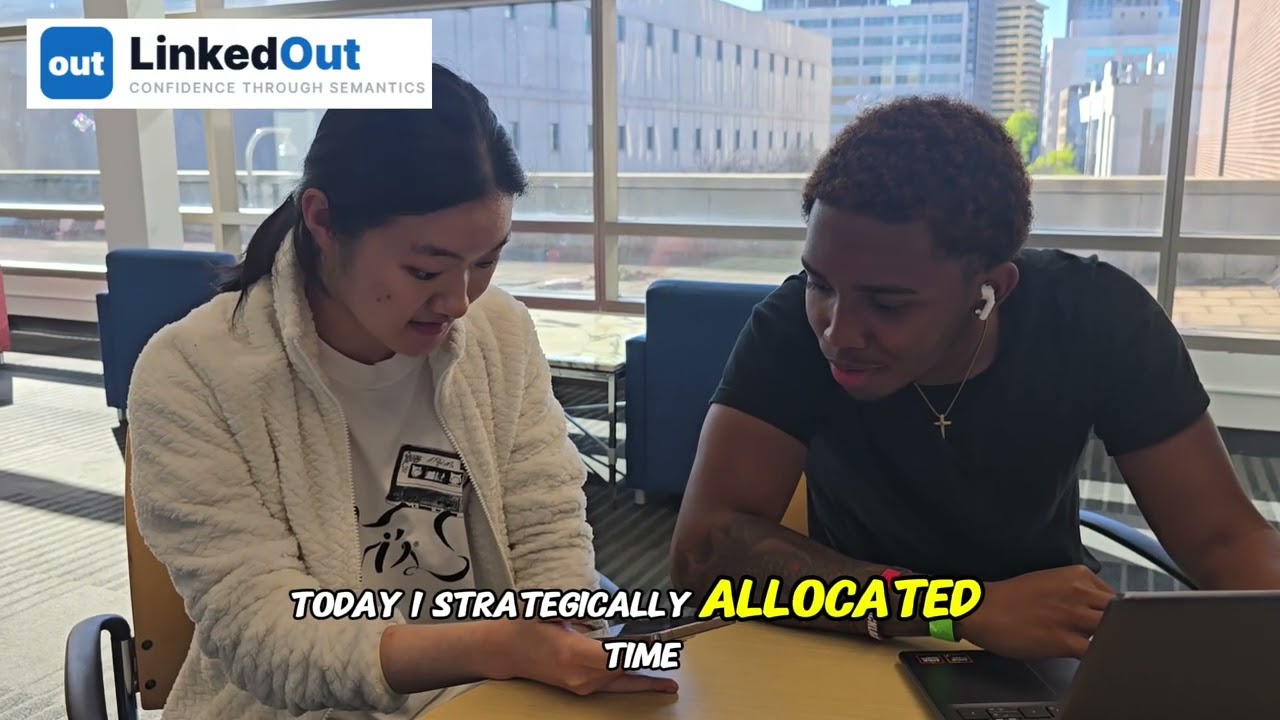
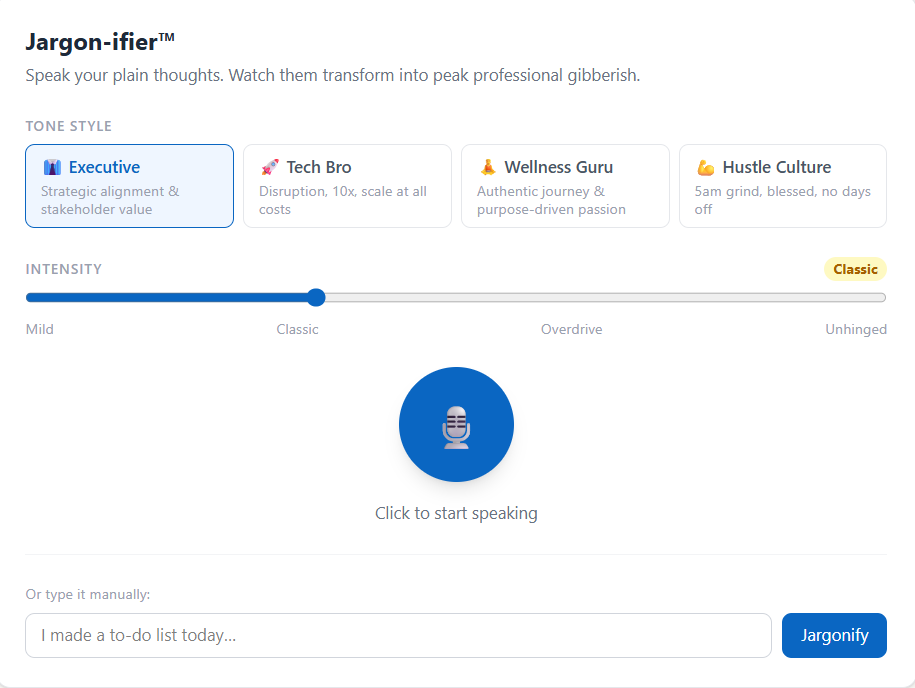
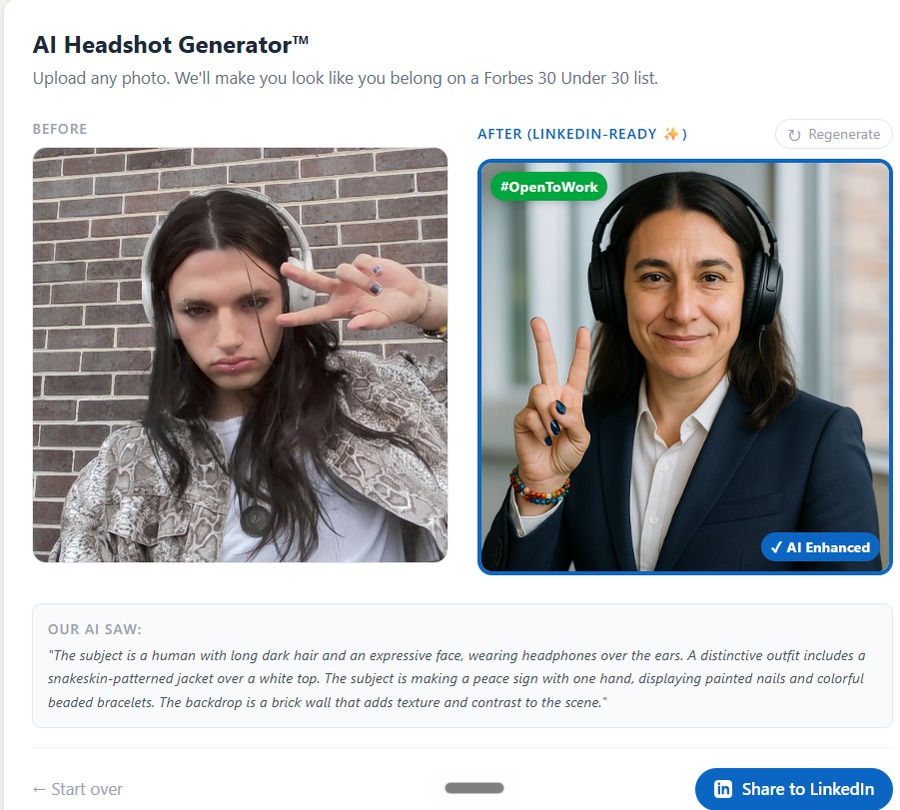
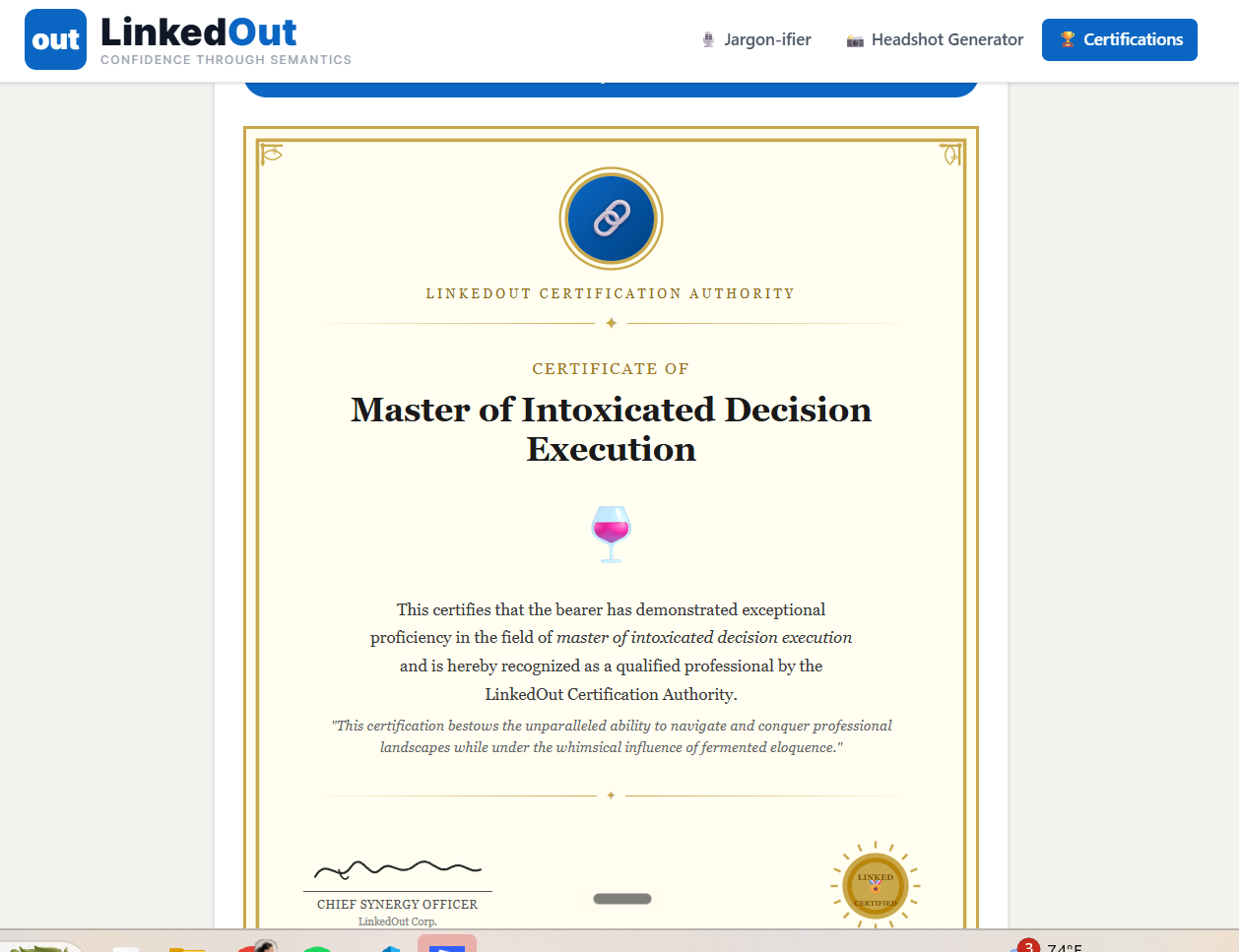
We spent real time brainstorming before writing a line of code, weighing what was useful, what was funny, and what maxed out our odds across the most judging tracks. We landed on LinkedOut, a LinkedIn parody, because it's a LARP everyone in that room lives, it's funny, and it's genuinely useful, unlike a lot of hackathon ideas that are clever but pointless. Funny matters more than people think: it makes a room remember you favorably. From there, I focused on the pitch itself. I'd noticed the videos that actually get watched all the way through tell a story, so we built the demo as an Office-style parody instead of a feature walkthrough. That's what a lot of builders miss: you can ship a great product, but if people don't understand it in the first ten seconds, it doesn't matter. Make it easy to follow and enjoyable to watch, and judges (and users) are a lot more forgiving of the rough edges.
The Result
We took 1st place in the Jack of All Trades track and also won Best Corporate LARP, plus a Creative Track win, for $1,000 in combined prize money. The organizers told us we would've won more tracks if they hadn't wanted to spread the awards around. I'm confident the demo video is what secured it. This was my first hackathon, and I came in as a marketer, not a developer, focused on the pitch and demo while the team built. To any marketer who thinks they don't belong in a room full of engineers: you bring something they can't build themselves.